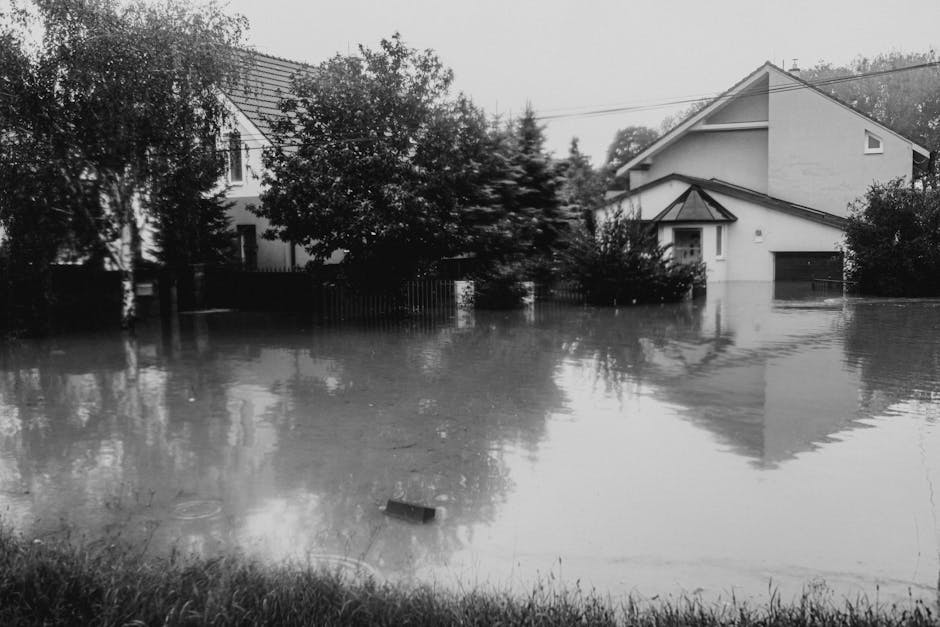
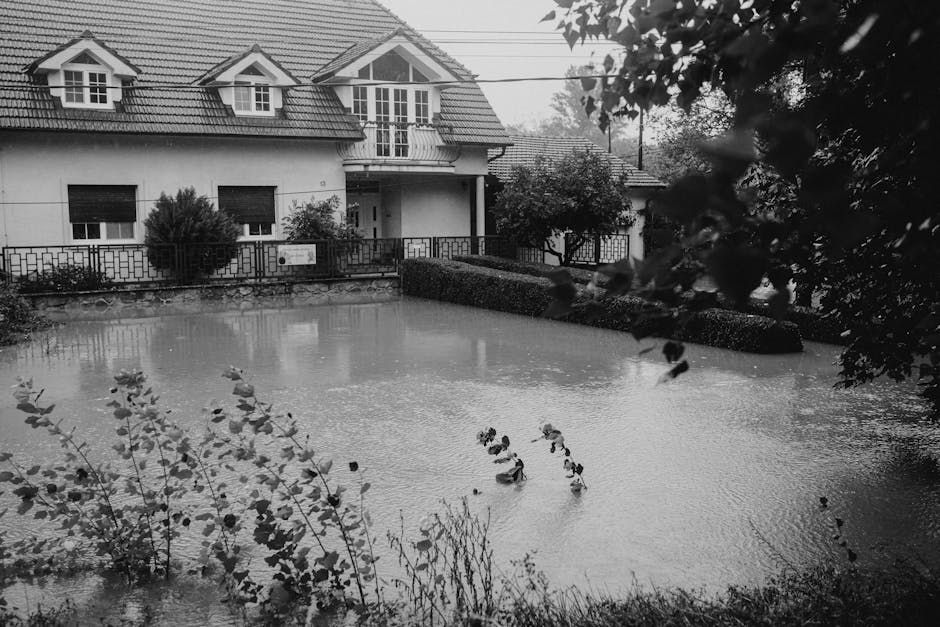
Same-day flood waste removal for Swiss Cottage homes
If your home in Swiss Cottage has taken on floodwater, the clock starts ticking straight away. Wet carpets, broken furniture, damaged storage boxes, sodden plasterboard, and contaminated belongings can quickly turn a stressful mess into a bigger health and property problem. Same-day flood waste removal for Swiss Cottage homes is about getting the worst of that waste out fast, safely, and with as little disruption as possible.
That first clear-out matters more than most people expect. Left too long, flood debris can smell, stain, attract mould, and make drying work much harder. A quick response also helps you regain a bit of control, which, to be fair, is half the battle when you are standing in a hallway wondering where on earth to begin. This guide explains how same-day clearance works, who it helps, what to check before booking, and how to avoid the common mistakes that can slow everything down.
Table of Contents
- Why same-day flood waste removal matters
- How the service works
- Key benefits and practical advantages
- Who this is for and when it makes sense
- Step-by-step guidance
- Expert tips for better results
- Common mistakes to avoid
- Tools, resources and recommendations
- Law, compliance, standards and best practice
- Options, methods or comparison
- Case study or real-world example
- Practical checklist
- Conclusion
- Frequently asked questions
Why Same-day flood waste removal for Swiss Cottage homes Matters
Flooding changes the normal rules of household waste. It is not just "junk" once it has been soaked in dirty water. Flood waste can include contaminated soft furnishings, warped furniture, damaged electricals, food waste, broken storage, insulation, and other materials that need careful handling. In a compact London home, even a modest amount can make rooms unusable very quickly.
Swiss Cottage homes often have the same practical challenge: limited space. A wet sofa in a hallway, a pile of ruined boxes in a flat entrance, or waterlogged items stacked in a spare room can block circulation, make drying harder, and create a slip risk. If stairs, basements, shared access areas, or narrow entrances are involved, the problem gets more awkward, not less.
There is also a timing issue. Once flood waste starts to dry unevenly, it can leave marks and lingering odours. Mould can begin to spread on porous materials. And if you are trying to deal with insurance, landlord responsibilities, or repairs, having a clean, documented clear-out often makes the whole process smoother. Not glamorous, but true.
If you need a broader look at how local services are organised, the Swiss Cottage clearance service overview is a useful starting point. For people comparing quotes or trying to understand what affects price, the pricing and quotes information can help you ask the right questions before you book.
Expert takeaway: Same-day flood waste removal is not only about speed. It is about reducing secondary damage, restoring access, and making the home safer for cleaning, drying, and repairs. The sooner the waste is removed, the easier the recovery usually becomes.
How Same-day flood waste removal for Swiss Cottage homes Works
The process is usually more straightforward than people expect, even if the situation itself feels chaotic. Most same-day flood waste removal jobs follow a practical sequence: assess, protect, remove, sort, and clear the route for drying or repairs.
1) Initial contact and quick details
You explain what happened, what rooms are affected, whether the waste is dry or still soaked, and whether access is difficult. This is where specific details help: is there a basement? Are there stairs? Is parking tight? Does the building have a lift? Those little things matter in Swiss Cottage, especially in older properties and converted flats.
2) Planning the right team and equipment
A good crew will decide what type of vehicle, lifting equipment, protective gear, and waste sacks or containers are needed. Flood waste is often heavy and awkward. Wet carpets and soaked furniture weigh much more than dry materials, so the job can be slower than it looks from the outside.
3) Safe removal from the property
The team should remove items carefully to avoid spreading dirty water, mud, or debris through the home. In some cases, items need to be bagged or wrapped first. In others, larger pieces are moved out in sections. The goal is to clear contaminated material without making the rest of the property worse.
4) Segregation and disposal route
Not everything is handled the same way. Some items can be recycled, some must go as general waste, and some may require special care if they are contaminated or unsafe. Responsible operators should separate materials where possible and take waste to the appropriate disposal or transfer route.
5) Final sweep and access restoration
Once the main waste is out, a proper team will leave the area usable for the next step, whether that is dehumidifying, surveying for damage, or arranging a builder. That "clear the path" stage often sounds small, but it saves a lot of faff later on.
If you are unsure what service level you need, it can help to check the provider's health and safety approach and insurance and safety information. Flood clearance is one of those jobs where a tidy website matters less than clear, sensible procedures.
Key Benefits and Practical Advantages
Same-day flood waste removal gives you more than speed. It gives the property a better chance to recover properly, and it reduces the chance that a bad situation turns into a lingering one.
- Fast access for drying and repairs: Once saturated items are gone, air can move more freely and tradespeople can get to work.
- Reduced odour and contamination: Flooded soft furnishings and organic waste can smell quickly, especially in warm rooms or sealed flats.
- Less mould risk: Removing damp, porous waste early helps reduce the amount of material that stays wet for days.
- Improved safety: Wet flooring, broken objects, and stacked debris can create trip hazards and cuts.
- Better insurance documentation: A prompt, professional clear-out can make it easier to show what was removed and when.
- Less emotional overload: This one gets overlooked. A cleared room feels like progress, and that matters when you are exhausted.
There is also a practical London-specific advantage: same-day service helps reduce the problem of waste sitting in communal areas where neighbours, visitors, or building managers may be affected. In a shared block, that courtesy counts. A lot.
For people who care about responsible disposal, the recycling and sustainability guidance is worth reading too. Flood waste is not always recyclable, but where materials can be recovered safely, that is usually the better outcome.
Who This Is For and When It Makes Sense
This kind of service is most useful for homeowners, tenants, landlords, and property managers dealing with urgent cleanup after water ingress. It can be the right fit in a few common scenarios.
Homeowners after an emergency flood
If a burst pipe, heavy rain, appliance failure, or drainage issue has damaged furniture and contents, a same-day clear-out can help stop the spread of damp and free up the space for drying.
Tenants who need to act quickly
Tenants often need to protect their belongings, report the issue promptly, and avoid leaving waste in shared hallways or gardens. A fast response can also help when the landlord or managing agent wants the flat restored to a usable condition.
Landlords and letting agents
When a property has been left with flood waste after an incident, landlords usually need the place cleared so inspections, repairs, and re-letting can happen. There is always a balance here between speed, care, and documentation.
Older homes and conversions
Swiss Cottage has a mix of building types, and older homes can be awkward for access. Narrow stairs, small lifts, and tight landings make a professional, planned clearance especially helpful.
When it makes sense to call the same day
- The waste is wet, smelly, or contaminated.
- Paths, corridors, or rooms are blocked.
- You need access restored for drying or builders.
- There is a risk of mould or further property damage.
- You simply do not have the time, equipment, or headspace to do it safely yourself.
Truth be told, if the mess is beyond a couple of bags and a damp rug, calling in help sooner rather than later usually saves effort.
Step-by-Step Guidance
If you are handling flood waste in Swiss Cottage, the best results usually come from a calm, ordered approach. Here is a simple sequence that works in real homes, not just in ideal conditions.
- Check for immediate danger. If water is still coming in, or if electrics may be affected, deal with safety first. Do not step into standing water if you suspect an electrical issue.
- Separate safe items from waste. Put aside dry, salvageable belongings before the clear-out begins. Use patience here; throwing away things too quickly is a common regret.
- Identify contaminated items. Anything soaked by dirty floodwater, especially soft furnishings, damaged mattresses, carpet, food, or absorbent materials, should be treated cautiously.
- Photograph the damage. This is especially useful for insurance or landlord records. A few clear photos before removal can prevent awkward questions later.
- Clear a path to the exit. Move smaller items out of the way so the team can work safely and quickly.
- Book same-day removal with access details. Give the provider the exact address, floor level, parking situation, lift access, and any building instructions.
- Protect floors and walls if needed. In some homes, it helps to lay down temporary protection to reduce marks while items are moved out.
- Let the waste be removed first, then dry the area. Drying around waste often slows everything down. Removal first is usually the cleaner sequence.
- Keep receipts and notes. Save the booking details, what was removed, and any follow-up advice. Useful later, even if you hope not to need it.
A small but important note: if you are sorting items yourself, do not over-handle materials that smell strongly, have visible contamination, or are starting to mould. Better to stop and let the professionals take over than turn a manageable job into a health issue.
Expert Tips for Better Results
Here is where a bit of practical judgment makes all the difference. Flood jobs are rarely neat, but they can be handled well.
Move the heaviest items first, not the easiest-looking ones
Wet sofas, mattresses, and carpets usually take up the most space and hold the most moisture. Getting them out early can transform a room. You will notice the difference almost immediately: less smell, more airflow, fewer obstacles.
Don't mix salvageable belongings with waste
This seems obvious, but in a rush it is easy to dump everything into the same pile. Keep important documents, electronics, photos, and dry textiles separate if they can still be saved.
Keep a clear route to the front door
In flats and townhouses, the route out can be more difficult than the room itself. Stairs, corners, shared entrances, and tight vestibules all slow things down. Clear the route before the crew arrives if you can.
Ask how sorting and disposal will be handled
It is sensible to ask whether recyclable material is separated, how contaminated waste is treated, and where the clearance will go. Good providers should be able to explain their process without sounding vague.
Plan for the next stage before the waste vanishes
Once the waste is gone, what happens next? Drying equipment, decorators, surveyors, or builders may need access quickly. Same-day removal works best when the next step is already lined up.
For booking clarity, the quote and pricing page is helpful because it encourages you to think about access, volume, urgency, and disposal type before confirming. That usually leads to fewer surprises. Handy, really.
Common Mistakes to Avoid
Flood waste clear-outs can go sideways when people are understandably stressed. These are the mistakes that crop up most often.
- Waiting too long: The longer wet waste sits, the more likely you are to face odour, staining, and mould.
- Underestimating the volume: A few damp items can become a full-van job once everything is gathered together.
- Trying to lift contaminated heavy items alone: Wet furniture is awkward and can be dangerous. Your back will not thank you.
- Forgetting access constraints: Parking, stairwells, and lift restrictions can all delay the job if they are not shared early.
- Not protecting shared areas: In blocks or conversions, muddy footprints and water trails can become a bigger issue than expected.
- Skipping photos and notes: Even if you think you will remember, you probably won't. Not exactly on a stressful day.
One of the quieter mistakes is rushing to throw away every damp object. Some things are genuinely beyond saving, but others may only need cleaning, airing, or specialist treatment. A careful first look can save money and reduce waste.
Tools, Resources and Recommendations
You do not need a warehouse full of equipment to manage flood waste well. A few practical tools and good habits go a long way.
- Heavy-duty gloves: Useful for handling sharp edges, dirty material, or damp surfaces.
- Face covering or mask: Helpful where mould, dust, or contamination is present.
- Strong sacks or containers: Better than thin bags that split halfway to the door.
- Phone camera: Simple but essential for documentation.
- Towels and absorbent cloths: Good for limiting spread while items are moved.
- Labels or marker pens: Handy for marking "keep", "discard", or "unsure".
- Door mats or floor covering: Useful if the route out is likely to be wet and muddy.
On the service side, a few website resources can help you make better decisions before you book. If you value clear payment handling, check payment and security details. If you want reassurance about how the company handles complaints or service issues, the complaints procedure is worth a look. And if you want to understand whether the provider is set up for all users, the accessibility statement can be a quiet but useful signal of care and professionalism.
Law, Compliance, Standards and Best Practice
Flood waste removal in the UK should be handled responsibly, with attention to safety, environmental duty, and lawful disposal. The exact duties can vary depending on the property, the waste type, and who is arranging the clearance, so it is wise to stay general and practical rather than assume one rigid rule fits all.
In normal practice, reputable providers should:
- use safe lifting and handling methods;
- wear suitable protective equipment where contamination is possible;
- avoid leaving waste in public or shared areas;
- dispose of waste through appropriate licensed routes;
- separate recyclable material where feasible and safe;
- maintain clear records for service and disposal decisions.
If you are a landlord, managing agent, or homeowner arranging the work yourself, it is sensible to ask how the team works in line with current best practice. You do not need to be an expert in waste law. You just need enough reassurance that the job is being handled properly.
Some customers also like to review broader company policies before booking. That is fair enough. The insurance and safety page and the health and safety policy are particularly relevant when the work involves wet debris, possible contamination, and awkward lifting. If environmental handling matters to you, the recycling and sustainability page offers a helpful overview of responsible disposal practice.
For businesses and landlords especially, it is also sensible to understand company integrity and supplier standards. The modern slavery statement may seem unrelated at first glance, but it is part of the wider trust picture and shows a provider's approach to ethical operations.
Options, Methods, or Comparison Table
People usually have three realistic ways to deal with flood waste: handle it themselves, book a standard clearance, or arrange same-day specialist removal. Each has a place, but they are not equally suitable for wet, contaminated, or urgent jobs.
| Option | Best for | Pros | Limits |
|---|---|---|---|
| DIY removal | Very small, safe, dry amounts of debris | Lowest upfront cost, full control | Slow, messy, physically demanding, difficult with contamination |
| Standard scheduled clearance | Non-urgent waste that can wait a day or two | Good for planning, easier budgeting | Not ideal if the waste is wet, smelly, or blocking access |
| Same-day flood waste removal | Urgent flood-related waste in homes and flats | Fast, safer, helps drying and repairs begin sooner | Usually depends on availability and access details |
In most flood situations, same-day removal is the better fit if you need the space cleared before mould, smells, and secondary damage take hold. If the problem is minor, standard clearance might be enough. If the waste is contaminated or the home is partially blocked, speed becomes more than a convenience; it becomes part of recovery.
Case Study or Real-World Example
Picture a typical Swiss Cottage flat after a heavy overnight leak. By morning, a storage cupboard is swollen with damp cardboard, the carpet edge is soaked, and a sofa that sat too close to the affected wall now smells faintly musty. The resident has work calls at 10 a.m., a corridor that already feels too narrow, and no appetite for dragging wet furniture down two flights of stairs.
In that kind of situation, same-day flood waste removal changes the pace of the day. The first step is to remove the ruined cardboard, bag up smaller contaminated items, and clear the access route. Next comes the bulky furniture that no longer has a realistic chance of recovery. Once the waste is out, the room can begin drying properly. It is quieter too. Less clutter, fewer decisions, less panic.
What helped most in this example was not speed alone. It was order. The resident took photos before anything moved, set aside a box of dry documents, and asked for clear advice on what could be recycled. Simple things. But they made the difference between a chaotic scramble and a workable recovery plan.
That is often how these jobs go in real homes. Not perfect, not tidy, just manageable. And manageable is enough.
Practical Checklist
Use this checklist before the removal team arrives. It keeps the job moving and cuts down on avoidable stress.
- Identify any electrical hazards and keep away from unsafe areas.
- Take photos of the flood damage and the waste before clearance.
- Set aside valuables, documents, and items you want to keep.
- Separate obviously contaminated waste from salvageable belongings.
- Clear a safe route to the front door or loading point.
- Check parking or access restrictions for your street or building.
- Tell the provider about stairs, lifts, basements, or tight turns.
- Ask how wet waste, recycling, and disposal will be handled.
- Confirm payment details in advance if the job is urgent.
- Plan the next stage: drying, cleaning, survey, repair, or insurance follow-up.
If you want to be extra organised, keep a small note on your phone with the date, time, what was removed, and any follow-up tasks. It sounds fussy, maybe, but it pays off when your memory is already full.
Conclusion
Same-day flood waste removal for Swiss Cottage homes is one of those services that makes the next 24 hours feel possible again. It clears the worst of the damage, reduces health and safety risks, and gives your home the chance to dry and recover properly. For many households, that fast reset is the turning point.
Whether you are dealing with a burst pipe, a leak that kept spreading, or flood-damaged contents that need to go now, the best approach is simple: act quickly, share the access details, separate what can be saved, and choose a provider that takes safety and disposal seriously. Small decisions, made early, can spare you a lot of grief later on.
Get a free quote today and see how much you can save.
If you are ready to take the next step, a short call or quote request can turn a messy situation into a plan. And once the waste is gone, the room starts feeling like yours again. That matters more than people realise.
Frequently Asked Questions
What counts as flood waste in a home?
Flood waste usually includes items damaged beyond practical recovery by water, mud, or contamination. That can mean carpets, underlay, mattresses, soft furnishings, soaked cardboard, damaged storage, and some broken household items.
Can flood waste be removed on the same day in Swiss Cottage?
Often, yes, subject to availability and access. Same-day clearance is most suitable when the affected items are ready to go, the access route is clear, and the provider can reach your property quickly.
Is it safe to move flood-damaged furniture myself?
Sometimes for small items, but wet furniture is heavy, slippery, and awkward. If items are contaminated or difficult to move, it is usually safer to let a trained team handle them.
How do I know whether an item should be kept or thrown away?
If something is porous, badly soaked, smells strongly, or shows signs of mould, it may be best treated as waste. Dry items with only limited exposure may be salvageable. When in doubt, separate them first and ask for advice before deciding.
Will the clearance team take contaminated items?
They often can, but the provider should explain how those items are handled and disposed of. It is sensible to mention contamination clearly when you book so the right approach and safety measures are used.
How much does same-day flood waste removal usually cost?
Costs vary based on volume, access, urgency, labour needed, and disposal type. Same-day work can cost more than a planned visit because it requires faster scheduling and immediate response. A clear quote is the best way to understand the likely price.
Do I need to sort recycling before the team arrives?
No, not necessarily. If you have time, separating dry and salvageable items can help, but many homeowners simply prepare the space and let the team sort what can be handled responsibly.
What should I tell the provider when I book?
Give the address, floor level, whether there is a lift, parking information, what rooms are affected, and whether the waste is dry, wet, or contaminated. The more accurate the picture, the smoother the job tends to go.
Is flood waste removal different from ordinary household clearance?
Yes. Flood waste can be contaminated, heavier, smellier, and more urgent than normal household junk. It also needs faster handling to reduce secondary damage and help the property dry properly.
Can flood waste be left outside for collection later?
It is usually better not to leave it sitting around. Wet waste can smell, attract pests, and become a nuisance for neighbours or building management. Same-day removal avoids those complications where possible.
What if I live in a flat with awkward access?
That is very common in London, and it just means the provider needs to know in advance. Narrow stairs, tight corners, controlled parking, and shared entrances all affect the plan, but they do not automatically make the job impossible.
Should I check the company's policies before booking?
Yes, especially for flood-related work. Safety, insurance, payment security, and sustainability practices are worth reviewing. They show how the company operates beyond the headline service.
What is the best next step if I have just had a flood?
Make the area safe, take photos, separate anything you want to keep, and arrange urgent removal of waste that cannot stay in the property. After that, drying and repair work can start properly.