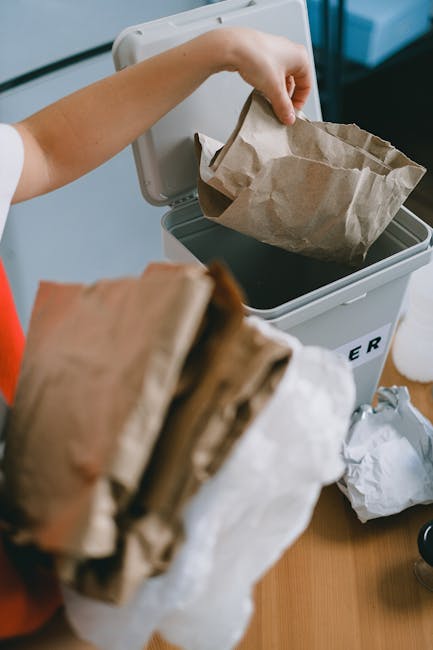
Local recycling centre guide for Swiss Cottage households
If you live in Swiss Cottage, recycling can feel simple one day and oddly confusing the next. One week you are clearing out a cupboard of glass jars and cardboard; the next, you are standing in the hallway with an old chair, a bag of mixed plastics, and a broken lamp wondering where on earth each item should go. This Local recycling centre guide for Swiss Cottage households is here to make those decisions easier, calmer, and a lot more practical.
Whether you are doing a weekend tidy-up, planning a bigger clear-out, or trying to keep waste out of the wrong bin, the aim is the same: sort items properly, save time, and recycle as much as you can without turning the job into a chore. You will also find useful pointers on when a local recycling centre is the right option, when a different disposal route makes more sense, and how to avoid the small mistakes that cause most of the frustration. Truth be told, the waste stream looks more complicated than it really is once you break it down.
For broader help with household clearance and responsible disposal, you may also find our pages on home clearance and waste removal useful alongside this guide.
Table of Contents
- Why Local recycling centre guide for Swiss Cottage households matters
- How Local recycling centre guide for Swiss Cottage households works
- Key benefits and practical advantages
- Who this is for and when it makes sense
- Step-by-step guidance
- Expert tips for better results
- Common mistakes to avoid
- Tools, resources and recommendations
- Law, compliance, standards, or best practice
- Options, methods, or comparison table
- Case study or real-world example
- Practical checklist
- Conclusion
- Frequently Asked Questions
Why Local recycling centre guide for Swiss Cottage households Matters
Local recycling centres matter because household waste is rarely just "rubbish". In a typical Swiss Cottage home, one bag might contain food packaging, another might include batteries, an old toaster, worn-out textiles, a cracked plant pot, and a pile of cardboard from something that arrived flat-packed and far too large for the box it came in. If everything is put in one place without thought, a lot of recyclable material ends up lost.
That is bad for the environment, of course, but it also creates everyday headaches. Recycling the right way keeps your home tidier, reduces the amount of mixed waste you produce, and helps you separate items that need specialist handling. It also stops you from forcing awkward items into the wrong bin, which we have all seen neighbours do on a hurried Monday morning. To be fair, nobody enjoys a bin-lid battle with a broken lamp and a wobbly bag of cans.
For households in and around Swiss Cottage, a practical recycling routine is especially useful because space is often limited. Flats, maisonettes, shared homes, and compact family properties all need a system that works without clutter building up. A good recycling approach means you can handle day-to-day waste and larger clear-outs with less stress, and fewer last-minute trips with the boot full of mixed junk.
It also helps you think more clearly about what should be reused, what should be recycled, and what should be disposed of responsibly. That distinction sounds small, but it saves time and makes everything feel more manageable.
How Local recycling centre guide for Swiss Cottage households Works
At a practical level, a recycling centre guide is about matching the right item to the right route. Some materials are easy: clean cardboard, glass containers, and many metal items can usually be separated and prepared without much effort. Other things are a bit fussier. Electricals, batteries, paint, bulky furniture, garden waste, and renovation leftovers often need specific handling, and sometimes they are not suitable for ordinary household bins at all.
The process usually works like this:
- Sort the waste by type. Keep recyclables apart from residual rubbish and any hazardous or awkward items.
- Check condition and contamination. A cardboard box soaked in food or grease is not the same as a clean one. The same goes for tins, tubs, and plastics.
- Decide whether the item is reusable, recyclable, or disposal-only. That old dining chair might be reusable, while the broken frame may need furniture disposal.
- Separate specialist items. Batteries, bulbs, paints, and electronics often need extra care.
- Transport safely. Load items so they do not spill, break, or become a hazard on the way.
That is the basic flow. Nothing mystical. The reality is just a bit messier in a real house, especially when the item you are dealing with is half useful and half unusable. A working bedside table with one broken drawer? Reuse or furniture clearance may be better than trying to force it into a recycling route that does not fit.
Where larger loads are involved, a structured household clearance can be a better fit. In those cases, house clearance or flat clearance may make more sense than a single recycling-centre trip, especially if you have multiple bulky items and limited time.
Key Benefits and Practical Advantages
There are several genuine benefits to getting this right, and they are not just environmental. Yes, recycling more helps reduce waste, but from a household point of view the advantages are often much more immediate.
- Less clutter at home. Once you start separating items, you notice how much stuff has been hanging around "just in case".
- Fewer missed disposal opportunities. Items that could be recycled or reused are less likely to end up in general waste by default.
- Better use of space. This matters a lot in smaller Swiss Cottage properties, where even one bulky item can dominate a room.
- Safer handling of awkward materials. Batteries, broken glass, and electrical waste become easier to manage when they are treated separately.
- Cleaner, faster clear-outs. Once you know what goes where, you spend less time making decisions while standing in the hallway with a pile of bags.
Another benefit, which people sometimes overlook, is peace of mind. You know the items have gone down the right route. That can matter just as much as the practical outcome, especially if you have recently renovated, moved house, or inherited a property that needs sorting out. Small jobs pile up fast, and this is one of those areas where a little structure pays off.
Expert summary: The best household recycling routine is not the one that looks perfect on paper. It is the one that is easy enough to repeat every week, and sensible enough to use when you are dealing with a much bigger clear-out.
Who This Is For and When It Makes Sense
This guide is useful for a wide mix of Swiss Cottage households. If you are in a compact flat, a family home, a shared property, or a rented place that needs a quick tidy before guests arrive, the same principles apply. The scale changes, but the decision-making stays similar.
It makes particular sense if you are:
- sorting out accumulated household recycling after a busy few weeks
- preparing for a move, tenancy change, or property refresh
- dealing with bulky items that cannot just be tucked into a normal bin
- clearing a loft, garage, or storage cupboard
- trying to dispose of old furniture or broken household items responsibly
- managing post-renovation waste from a small home project
If you are moving through a lot of mixed items, the challenge is not usually the recycling centre itself. It is the sorting. That is why many households find a staged approach easier: first separate what can be kept, donated, recycled, or cleared, then decide which items need a trip, collection, or specialist disposal route. A bit dull, maybe. But it works.
Households with bigger volumes of bulky or mixed waste sometimes find it helpful to look beyond the recycling centre and consider furniture clearance or garage clearance for items that are too awkward to manage in a normal car.
Step-by-Step Guidance
Here is a simple way to tackle household recycling without overthinking it.
1. Empty the space properly
Start with one room, one cupboard, or one category. Do not pull everything out at once unless you enjoy living in a temporary chaos zone. A dining table covered in cables, packaging, and old receipts does make a strong impression, but not a helpful one.
2. Create four piles
- Recycle
- Reuse or donate
- Specialist disposal
- General waste
This keeps decisions cleaner. It also stops you from making the same judgement three times while holding the same object at arm's length.
3. Clean and separate where practical
Rinse containers if needed, flatten cardboard, and remove obvious contamination. You do not need a spotless operation, just a sensible one. If an item is oily, leaking, or broken in a way that makes it unsafe, treat it as a specialist item rather than trying to guess.
4. Bundle similar items together
Put paper with paper, plastics with plastics, and electrical items in one safe place. Keep sharp objects wrapped or boxed. If something can shatter, like a mirror or a broken glass shelf, handle it carefully and mark the package if needed.
5. Decide on the disposal route
Once sorted, ask yourself a straightforward question: is this small enough and clean enough for a recycling-centre visit, or is there a better way? For single items, a trip may be fine. For a bigger collection, it may be less effort to use a clearance service. That is especially true if you are dealing with multiple bulky things, such as in a loft or spare room.
For more complex household jobs, loft clearance and home clearance can be more efficient than trying to move everything in stages over several weekends.
6. Transport safely and unload carefully
Use boxes, reusable bags, or sturdy containers. Keep heavier items low and secure. If you are moving broken items, watch for loose screws, sharp edges, and cracked plastic. Minor stuff, but it matters.
Expert Tips for Better Results
These are the habits that tend to save households the most time.
- Keep a small recycling station at home. Even one labelled box for batteries, one for small electricals, and one for dry recyclables can make weekly sorting easier.
- Schedule clear-outs before clutter builds. Waiting until the pile is leaning sideways is rarely a good strategy.
- Separate "maybe" items early. If you are not sure whether something is reusable, place it aside and revisit it after the first pass. Often the answer becomes obvious later.
- Use one category at a time. Finishing all cardboard first, then plastics, then electricals is usually less tiring than jumping between them.
- Keep records for larger jobs. If you are clearing a property or using a disposal service, it is sensible to keep notes of what was removed and where it went.
One small but useful tip: if the item smells, leaks, or crumbles when moved, treat it with caution and do not keep rehandling it. That is the point where "I'll sort it later" becomes a bit of a trap.
And yes, labels help more than you think. A marker pen and three cardboard boxes can save a surprising amount of friction. Very glamorous, I know.
Common Mistakes to Avoid
Most recycling errors are not dramatic. They are small habits that quietly make the process less effective.
- Mixing clean recyclables with food waste. Contamination can reduce what can be recycled.
- Assuming every plastic item is accepted the same way. Different forms of plastic behave differently in real-world sorting systems.
- Putting batteries loose in a bag. That can create a safety risk. Keep them separate and protected.
- Forgetting about electrical waste. Kettles, chargers, old cables, and similar items often need special handling.
- Overloading the car. Not only awkward, but unsafe. One overloaded boot and suddenly you are driving like a very nervous snail.
- Leaving bulky items in communal areas. That can cause access issues and, depending on the property, a nuisance for neighbours.
A more subtle mistake is delaying disposal because an item feels too small to bother with. A single broken lamp may not matter much. Ten small items do. That is where household clutter sneaks in, bit by bit.
Tools, Resources and Recommendations
You do not need a full kit to recycle well, but a few simple tools help a lot.
- Sturdy boxes or tubs for sorting at home
- Reusable bags for clean lightweight recyclables
- Marker pens and labels for quick categorising
- Heavy-duty gloves when handling rough or broken items
- Dust sheets or old towels for protecting floors during sorting
- Tape and string for bundling loose materials safely
If you are working through a larger home tidy-up, it may help to combine recycling with a broader clearance plan. For example, an old sofa, damaged shelves, and a bundle of mixed household waste may be easier to manage through furniture disposal plus waste removal rather than trying to solve it all in one recycling run.
Where you have garden cuttings, broken pots, or outdoor clutter, a dedicated garden clearance route can also make the process simpler. It keeps outdoor waste separate from the general household stream, which is exactly what you want when you are trying to keep things tidy and compliant.
Law, Compliance, Standards, or Best Practice
For most households, the main compliance point is straightforward: dispose of waste responsibly and do not leave it where it could create a hazard, nuisance, or illegal dump. The details can vary depending on the type of waste, but the basic best practice is to keep it sorted, stored safely, and handed over through a legitimate route.
In UK household practice, the big things to be careful with are electrical items, batteries, sharp objects, paint, chemicals, and anything that could leak or break. If an item could cause injury or contaminate other waste, it should be treated separately. That is not being fussy; it is just sensible.
It is also best practice to use reputable providers for any paid disposal or clearance work. A proper service should be transparent about what it will take, how it will handle the waste, and how it approaches recycling and reuse. If you need more context on the company's approach to responsible handling, their recycling and sustainability page is a useful place to start.
For bigger or more sensitive clear-outs, checking safety and handling standards matters too. That is particularly true where heavy lifting, access issues, or potentially awkward items are involved. If you want reassurance about the company side of things, the pages on health and safety policy and insurance and safety are worth reviewing before booking anything substantial.
Options, Methods, or Comparison Table
Not every household item needs the same route. Here is a simple comparison to help you choose the right approach.
| Option | Best for | Strengths | Limitations |
|---|---|---|---|
| Recycling centre visit | Sorted recyclables, small bulky loads, specialist items | Good for separation, suitable for many item types | Requires time, transport, and pre-sorting |
| Household DIY sorting at home | Weekly waste, light decluttering, staging a clear-out | Low cost, easy to repeat, reduces chaos | Needs discipline and storage space |
| Furniture or item-specific clearance | Bulky chairs, tables, beds, worn household items | Less lifting, less car loading, more convenient | Not always necessary for single small items |
| Full home or flat clearance | Big moves, probate, deep clear-outs, multiple rooms | Efficient for larger volumes and mixed waste | More involved than a simple drop-off |
If your job is mostly one awkward item, the recycling-centre route might be perfect. If your job is three rooms' worth of clutter and an old wardrobe, not so much. That is where a full service can genuinely save a weekend, and your back.
For domestic situations with larger volumes, house clearance usually offers a cleaner end-to-end solution than trying to manage transport, sorting, and disposal in separate stages.
Case Study or Real-World Example
Imagine a Swiss Cottage household that has just finished a minor refresh: new shelves in the living room, a tidy-up in the bedroom, and a long-overdue pass through the hallway cupboard. The result is a fairly typical mixed pile: cardboard packaging, a dead lamp, two worn dining chairs, a bag of broken small items, some old cables, and a couple of bags of reusable bits that are still in good nick.
At first glance, it feels like a single "waste" job. But once the items are separated, the picture changes. The cardboard can be flattened and recycled. The cables and lamp are better kept apart. The chairs may be suitable for furniture clearance rather than general waste. The reusable bits might be donated or stored. Suddenly the pile is smaller, cleaner, and much less annoying.
That is usually how it goes in real life. A job that looks like one big mess often turns into three smaller decisions and a much easier finish. By early evening, the hallway is clear, the floor stops creaking under cardboard, and the whole place feels lighter. Simple, but satisfying.
For a slightly larger version of the same story, the same logic applies to lofts and garages. A gradual sort, followed by the right clearance route, almost always beats dragging everything into the car and hoping for the best.
Practical Checklist
Use this checklist before heading to a recycling centre or arranging disposal.
- Have I separated reusable items from waste?
- Have I grouped recyclables by material type where practical?
- Are batteries, bulbs, and electricals kept apart?
- Have I removed food, liquids, or heavy contamination?
- Are sharp or fragile items safely wrapped?
- Do I know whether any bulky items need specialist clearance?
- Have I checked whether the load will fit safely in the vehicle?
- Do I have gloves, boxes, and labels if needed?
- Have I chosen the most efficient route for the size of the job?
- Have I kept anything important aside before disposal?
Quick practical reminder: if you are hesitating over one item for more than a minute, set it aside and move on. Decision fatigue is real, and it is usually worse in a crowded hallway at 7pm.
Get a free quote today and see how much you can save.
Conclusion
A good local recycling routine is not about being perfect. It is about making sensible decisions, keeping household waste under control, and choosing the right route for each item. For Swiss Cottage households, that often means a combination of everyday recycling habits, careful sorting, and the occasional specialist clearance when the job gets too big for the usual bins.
If you take one thing from this guide, let it be this: sort first, move second, and do not force awkward items into the wrong solution. That one habit alone saves time, reduces stress, and keeps your home feeling orderly instead of half-finished. And honestly, a calmer hallway is worth a lot.
When you are ready to tackle the next clear-out, a thoughtful approach will take you much further than a rushed one. A little structure goes a long way, and so does a bit of patience.
Frequently Asked Questions
What is the best way to start sorting household recycling in Swiss Cottage?
Start with one small area and create separate piles for recycling, reuse, specialist disposal, and general waste. That keeps the process manageable and stops you from making rushed decisions halfway through.
Can I put broken electrical items in my regular bin?
Usually, no. Broken electricals are better kept separate because they often need specialist handling. Chargers, kettles, lamps, and similar items should not be treated like ordinary rubbish.
What should I do with old furniture that is still usable?
If the item is still functional, consider reuse first. If it is too worn or bulky, a furniture-specific route such as furniture clearance or furniture disposal is often more suitable than general waste.
Is a recycling centre better than a collection service?
It depends on the size and type of the load. A recycling-centre visit works well for sorted, manageable items. A collection or clearance service is usually better for bulky, mixed, or heavy waste.
How do I handle batteries safely at home?
Keep batteries separate, dry, and protected from loose contact with other metal items. Do not throw them into a mixed bag of waste. That simple habit reduces risk.
What if I have a mixture of recyclable and non-recyclable items?
Sort them into categories first. Recyclable material can go one way, general waste another, and awkward items can be set aside for specialist disposal. Mixed loads are normal, so do not panic.
Do I need a full house clearance for a small declutter?
Not usually. For a small declutter, a recycling-centre trip or a single item clearance may be enough. Full house clearance is more suitable for larger, multi-room jobs or major life changes.
How can I tell if an item should be reused instead of recycled?
Ask whether someone else could use it as-is. If it is intact, clean, and still functional, reuse is often the better option. If it is damaged but has recyclable material value, recycling may be the next best step.
What are the most common mistakes households make?
The biggest mistakes are mixing contaminated waste with clean recyclables, forgetting about batteries and electricals, and leaving bulky items until they become a larger problem. Small habits matter more than people think.
When does garage or loft clearance make more sense than recycling alone?
When the space contains a lot of mixed items, heavy boxes, old furniture, or things you have not looked at in years, a clearance route often saves time. It turns a messy room into a finished job.
How should I prepare items before a recycling-centre trip?
Sort by type, remove obvious contamination, wrap anything sharp, and use sturdy boxes or bags. If you are taking bulky items, check that they can be loaded safely and without strain.
Where can I learn more about responsible waste handling?
If you want to understand how a provider approaches recycling, reuse, and safe disposal, the recycling and sustainability page is a useful place to look. For larger jobs, the pricing and quotes page can also help you compare options sensibly.