Legal risks of fly-tipping in Swiss Cottage and how to avoid fines
Fly-tipping sounds like a messy nuisance, and frankly it is. But in Swiss Cottage, it can also become a legal problem very quickly if waste is dumped on a pavement, left beside a bin, or handed to the wrong person. The legal risks of fly-tipping in Swiss Cottage and how to avoid fines are not just about keeping the street tidy; they are about protecting yourself from enforcement action, paperwork headaches, and avoidable costs that can snowball fast.
Whether you are clearing a flat, replacing an old sofa, dealing with builders' rubble, or trying to empty a garage at the weekend, the safest route is usually the simplest one: make sure the waste is handled properly, traceably, and by someone who is allowed to take it. This guide breaks down what counts as fly-tipping, why fines happen, how to stay compliant, and what to do instead. No fluff, just the stuff that helps you avoid an awkward letter through the door.
Table of Contents
- Why the legal risks matter in Swiss Cottage
- How fly-tipping enforcement and fines work
- Key benefits of dealing with waste properly
- Who this is for and when it makes sense
- Step-by-step guidance to avoid fines
- Expert tips for safer waste handling
- Common mistakes to avoid
- Tools, resources and recommendations
- Law, compliance and best practice
- Options and comparison table
- Case study or real-world example
- Practical checklist
- Conclusion
- Frequently asked questions
Why Legal risks of fly-tipping in Swiss Cottage and how to avoid fines Matters
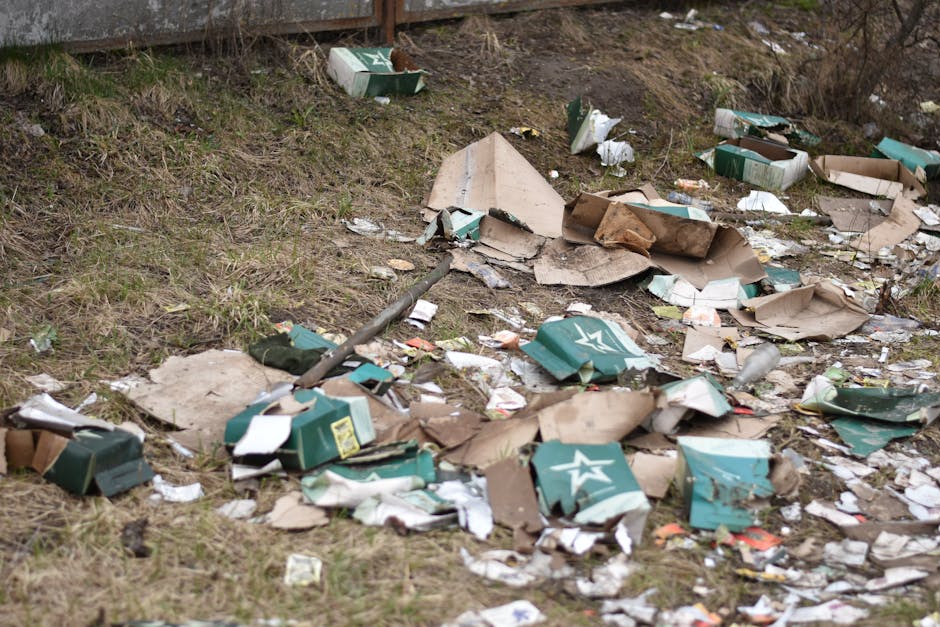
Fly-tipping is one of those issues that looks small until it becomes yours. A bag left beside a communal bin, a mattress "temporarily" placed near railings, or a load of builders' waste dropped somewhere quiet can trigger complaints, inspections, and enforcement. In a busy London area like Swiss Cottage, where pavements, estates, side roads, and shared access points all see heavy use, illegal dumping tends to stand out quickly.
The legal risk is simple: if waste ends up somewhere it should not be, the person responsible can face a fine or further action. That can include the person who dumped it, the person who organised it, or even a householder or business owner who failed to check where the waste was going. To be fair, many people do not realise that passing waste to an unlicensed collector can still create problems later. The waste does not have to be yours anymore for the responsibility to come back and tap you on the shoulder.
Swiss Cottage residents and businesses often deal with awkward waste situations: end-of-tenancy clear-outs, office moves, DIY debris, garden cuttings, or furniture that is too large for normal collections. That is exactly when shortcuts look tempting. But a shortcut here can cost far more than a proper collection would have done. One misunderstood rule, one missing receipt, one van full of mixed rubbish, and suddenly the whole thing is no longer a simple tidy-up.
Expert summary: The safest approach is not complicated: keep waste traceable, use a legitimate carrier, ask the right questions before anything leaves your property, and keep evidence. That little bit of admin can save a lot of trouble later.
How Legal risks of fly-tipping in Swiss Cottage and how to avoid fines Works
In plain English, fly-tipping is the illegal dumping of waste on land that does not have permission to receive it. That can be a pavement, alleyway, communal garden, roadside, private land, or even a patch near commercial premises. If you dump waste there yourself, the liability is obvious. If you arrange for someone else to do it, things can still get messy if you did not take reasonable care.
Enforcement usually follows a fairly predictable pattern. Someone reports dumped waste. The waste is inspected. Officers may look for identifying information such as names, addresses, invoices, labels, delivery notes, or other clues. If the waste can be linked to a person or property, that can lead to enquiries, warnings, fixed penalties, or prosecution depending on the circumstances. The exact process varies, and it is always sensible to treat the legal position carefully rather than assuming "it was gone, so it must be fine."
One thing people often miss is that waste is not just bin bags. It includes furniture, broken appliances, soil, builders' rubble, cardboard, packaging, garden cuttings, office contents, and mixed household items. A pile of "harmless junk" can still be regulated waste if it is disposed of incorrectly. And mixed waste is where problems often start, because people assume one item does not matter. It does.
If you are organising clearance for a home, flat, office, garage, loft, or garden, the legal safest route is to use a service that can remove it properly and keep the process tidy. For example, if you are dealing with domestic items, home clearance or house clearance can be more appropriate than trying to move everything piecemeal yourself. Likewise, businesses often need a structured approach such as business waste removal or office clearance so records are clearer and the disposal route is easier to verify.
Key Benefits and Practical Advantages
Staying on the right side of waste rules is not just about avoiding fines. It also makes life smoother in ways people only notice after the fact. A proper collection keeps your property clear, your neighbours happier, and your plans moving without the sort of delay that turns a one-hour job into a two-week annoyance.
- Less legal exposure: You reduce the chance of being linked to illegal dumping or missing paperwork.
- Better proof of disposal: A legitimate collection gives you a clearer trail if anyone asks questions later.
- Cleaner property handovers: This matters for landlords, tenants, agents, and tradespeople working to deadlines.
- Safer handling: Heavy, sharp, or awkward items are moved by people who do this routinely.
- Fewer neighbour disputes: Shared entrances and streets can get tense when waste is left outside too long. Everyone knows that look.
- More predictable costs: A proper waste plan is usually cheaper than dealing with penalties, repeat collections, or emergency clean-ups.
There is also a quieter advantage: peace of mind. That matters more than people admit. If you have ever looked out at a pile of broken furniture on a damp evening and wondered whether it will still be there tomorrow, you will know the feeling. Sorting it properly means you can stop thinking about it.
Who This Is For and When It Makes Sense
This topic matters to more people than you might think. Fly-tipping risk is not limited to people with obvious "junk." It can affect anyone generating waste and deciding what to do with it next.
Homeowners and tenants
If you are clearing a loft, replacing furniture, moving home, or getting rid of accumulated household items, you need a disposal plan that does not involve leaving waste near the street and hoping for the best. That approach tends to age badly.
Landlords and letting agents
End-of-tenancy clearances can produce mixed rubbish, abandoned furniture, and unexpected clutter. It is worth being extra careful because liability questions are common when waste has been left after a move-out.
Businesses and offices
Paper records, desks, chairs, packaging, old stock, and refurb waste all need organised removal. A business that cuts corners on waste can get into compliance trouble faster than a domestic property, especially if there is a repeated pattern.
Builders, decorators and tradespeople
Builders' waste is a classic risk area. Bags of rubble or plasterboard left outside a property can become fly-tipping very quickly if they are not removed as planned. If you are working on a job in or near Swiss Cottage, use a proper route such as builders waste clearance rather than assuming someone else will sort it later.
People with awkward, bulky items
Mattresses, sofas, broken wardrobes, garden waste, and garage clutter all create that "what do we even do with this?" moment. That is usually the moment to pause and choose a legal route, not a creative one.
Step-by-Step Guidance
If your goal is to avoid fly-tipping fines in Swiss Cottage, the process is simpler than it sounds. You just need to be deliberate. Here is a practical sequence that works well in real life.
- Identify exactly what you need to remove. Separate furniture, green waste, builders' debris, electricals, and general rubbish. Mixed waste is harder to manage and easier to mishandle.
- Decide whether the waste is household, commercial, or construction-related. The category matters because different materials and settings need different handling.
- Check the disposal route before moving anything. Do not wait until the waste is by the door. That is when people rush and make poor choices.
- Use a legitimate removal option. For bulky household items, furniture disposal or furniture clearance may be the most efficient route. For larger domestic projects, flat clearance, loft clearance, or garage clearance can reduce the chance of waste being left out in stages.
- Ask for confirmation of what is being collected and where it will go. Even a simple written record helps. Keep invoices, receipts, or job notes.
- Do not leave waste on public land. If collection is delayed, keep it on your own property in a secure and tidy way.
- Separate reusable and recyclable items where possible. This is not only better practice, it often makes the job easier to price and manage. The recycling and sustainability page is useful if you want to think about the broader approach.
- Keep evidence for your records. Take photos before and after, save messages, and note the date of collection. A few minutes now can save a great deal later.
If you are clearing outside the home, the same logic applies. Garden waste, for example, should not be left in bags by the curb and forgotten about. Use a proper garden clearance process so branches, soil, and clippings are removed in one go rather than spread around the street like a very annoying trail of breadcrumbs.
Expert Tips for Better Results
Over time, the most useful habits are often the boring ones. The ones that prevent problems before they begin. Here are the tips that matter most in practice.
- Ask who is actually collecting the waste. If a person or company cannot clearly explain the disposal route, that is a red flag. Not always a deal-breaker, but close.
- Keep the collection area private if possible. Waste left visible at the front of a property is more likely to be noticed, interfered with, or mistaken for dumped waste.
- Do not mix hazardous items with ordinary waste. Paints, chemicals, and certain electricals often need separate handling. Mixing them can create compliance issues.
- Plan around building access and parking. In Swiss Cottage, access can be tight. If a team cannot load efficiently, waste can end up being stored outside too long. That is where complaints begin.
- Use one clear booking rather than several ad hoc trips. One properly organised collection is generally safer than multiple "I'll take the rest later" arrangements.
- Check insurance and safety expectations. If a collection is happening from a shared building or office, it is sensible to understand what precautions are in place. The insurance and safety page can help frame that conversation.
And yes, a little common sense helps more than people like to admit. If a van turns up with no clear paperwork and a vague shrug, that is not your green light. It is the opposite.
Common Mistakes to Avoid
The mistakes that lead to fines are often painfully ordinary. That is the frustrating part. Most are avoidable with a bit of planning.
- Leaving waste on the pavement overnight: Even if collection is planned, public land is not your temporary storage space.
- Hiring an unverified collector: If the person taking the waste is not operating properly, the risk can come back to you.
- Assuming one item is too small to matter: A single sofa or bag of rubble can still trigger enforcement if dumped incorrectly.
- Not keeping proof: If a question arises later, "I think someone took it" is not a great defence.
- Letting builders leave waste behind: If you are the property owner or organiser, you should make sure the clearance is part of the job, not an afterthought.
- Confusing charity drop-offs with disposal: Reuse is good, but only if the items are actually accepted and collected properly.
- Ignoring bulk waste in offices or flats: Shared properties need extra care because one person's shortcut can become everyone's problem.
A small aside: the phrase "I didn't know" is rarely as comforting in a letter from enforcement as it is in conversation. Best not to test that one.
Tools, Resources and Recommendations
You do not need a complicated system to stay compliant. A few simple tools and habits will do most of the work.
- Photo record: Take before-and-after images, especially for larger clearances or shared properties.
- Basic item list: Write down what was removed. It sounds old-fashioned, but it helps.
- Receipt or job confirmation: Keep a dated record showing who collected the waste.
- Separate bins or piles: Sort furniture, green waste, and builders' material before collection day.
- Secure storage for waiting waste: Keep items behind a gate, in a yard, or inside the property until removal.
- Trusted service pages: If you need domestic clearance, a house clearance or home clearance service may suit larger jobs, while office clearance is better for commercial premises.
For people comparing options, the pricing and quotes page can help set expectations before you commit. That matters because unclear pricing often causes rushed decisions, and rushed decisions are where fly-tipping risks start creeping in.
Law, Compliance, Standards, or Best Practice
Without pretending to offer legal advice, the main principle is straightforward: do not allow waste to be dumped unlawfully, and do not hand waste to someone unless you have taken reasonable steps to check they are legitimate. In UK practice, that means being cautious about who collects your rubbish, keeping records, and making sure waste goes to an appropriate facility or approved route.
Best practice usually includes the following:
- using a properly organised waste removal service;
- keeping a paper or digital trail of the collection;
- not placing waste on public land before pickup;
- separating recyclable or reusable items where practical;
- avoiding informal "man with a van" arrangements unless you have checked them carefully;
- making sure tradespeople, tenants, or contractors know who is responsible for removal.
Businesses should be especially careful because poor waste handling can create reputational damage as well as legal risk. If your company is clearing stock, archives, or furniture, it is worth choosing a structured service such as business waste removal rather than treating the clearance as an informal favour.
There is also a broader ethical point here. Responsible disposal means less waste drifting into the local environment, less pressure on shared spaces, and less chance of rubbish building up in the kind of spot people notice on a cold Monday morning and mutter about for weeks. That is not law exactly, but it is part of being a decent neighbour.
Options, Methods, or Comparison Table
If you are deciding how to deal with waste in Swiss Cottage, the right option depends on what you are removing, how much there is, and how quickly it needs to go. Here is a simple comparison to help you think it through.
| Option | Best for | Main advantage | Main risk if done badly |
|---|---|---|---|
| Self-removal to a legal facility | Small loads, time-flexible jobs | Direct control over disposal | Incorrect handling or poor transport arrangements |
| Bulky item collection | Sofas, beds, wardrobes, single-item disposal | Convenient for awkward items | Leaving items outside too early |
| Full property clearance | Flats, houses, lofts, garages | One coordinated removal | Incomplete sorting if rushed |
| Trade waste clearance | DIY, renovation, refurbishment debris | Better for mixed construction material | Builders' waste left on the street or site |
| Office clearance | Desks, chairs, files, equipment | Cleaner chain of responsibility | Untracked disposal from a business site |
In many real situations, the best choice is the one that keeps the waste off public land for the shortest amount of time. Simple, but effective. If you are unsure where your situation fits, a quick check of the relevant service page often helps.
Case Study or Real-World Example
Picture a small flat in Swiss Cottage after a tenant move-out. There is a broken bed frame, a sofa, two boxes of mixed household clutter, and a couple of bags of old paperwork. The temptation is obvious: set the items outside the building, wait for a friend with a van, and hope it disappears before anyone complains.
That can go wrong in several ways. The items may be left on communal land too long. Another resident may assume they are dumped rubbish and report them. If the van arrives without any proof of where the waste is going, the person arranging the clear-out may struggle to show they acted responsibly. One small shortcut, and the whole thing becomes a headache.
A better route is to book a proper flat clearance, keep the waste inside or in a private area until collection, separate the paperwork for secure disposal, and keep confirmation of the job. The result is boring in the best way possible: no complaints, no embarrassment, no nasty surprise later. Just done.
The same logic works for a garage, loft, or garden. These areas tend to accumulate odd bits over time. Old chairs, paint tins, broken fencing, storage boxes, the kind of thing that quietly expands until you finally deal with it. The legal risk is not in the clutter itself. It is in how you remove it.
Practical Checklist
Use this checklist before any waste leaves your property in Swiss Cottage.
- Have I identified exactly what needs removing?
- Do I know whether it is household, commercial, green, or builders' waste?
- Is the collection route legal and traceable?
- Have I kept waste on private property until pickup?
- Do I have a record of the collector, date, and items removed?
- Have I separated anything reusable or recyclable?
- Have I avoided leaving anything on the pavement, verge, or communal walkway?
- Does the service match the type of waste, such as waste removal for general mixed loads?
- Have I checked whether bulky items need special handling?
- Will I keep the receipt or job confirmation for my records?
If you can tick all of those off, you are in a much safer position. Not perfect, because life is rarely perfect, but safely enough for most practical situations.
Conclusion
The legal risks of fly-tipping in Swiss Cottage and how to avoid fines come down to one thing: do not treat waste like an afterthought. Once waste is left in the wrong place or handed to the wrong person, the clean-up becomes more expensive, more stressful, and often more public than it needed to be.
The good news is that avoiding trouble is not difficult. Keep items on private land until collection, use a proper and traceable disposal route, keep records, and choose a service that matches the type of waste you are dealing with. That is especially important for flats, homes, offices, gardens, lofts, garages, and builders' waste, where clutter tends to build up quietly before all at once.
Swiss Cottage is busy, lived-in, and close-knit in a very London way. A bit of care goes a long way there. So take the straightforward route, keep things tidy, and let the waste disappear the right way the first time around. It's one less thing to worry about, and honestly, that is a relief.
Get a free quote today and see how much you can save.
Frequently Asked Questions
What counts as fly-tipping in Swiss Cottage?
Fly-tipping is the illegal dumping of waste on land that does not have permission to receive it. That can include public pavements, alleyways, communal areas, and private land if the waste was left there without consent.
Can I be fined if someone else dumps my waste?
Potentially, yes. If you handed waste to someone without taking reasonable care to check they were legitimate, you could still face questions later. Keeping records and choosing a proper collector matters.
Is leaving rubbish beside a bin considered fly-tipping?
It can be. If waste is left outside bins or in a shared area without approval, it may be treated as illegal dumping rather than normal disposal.
How do I avoid fly-tipping fines when clearing a flat?
Use a proper clearance service, keep waste inside the property until collection, separate items if needed, and keep proof of what was removed. A structured flat clearance is often the cleaner option.
What is the safest way to get rid of bulky furniture?
Book a legitimate removal service for bulky items rather than leaving them outside. For sofas, beds, and wardrobes, furniture disposal is usually a practical route.
Do businesses have different waste responsibilities?
Yes, businesses should be especially careful because their waste handling can affect compliance, reputation, and record-keeping. Organised business waste removal is usually the better choice.
What records should I keep after waste collection?
Keep a receipt, job confirmation, photographs if relevant, and any messages showing what was collected and when. It does not need to be fancy, just clear enough to help if a question arises later.
Can builders' waste be left outside overnight?
That is risky and best avoided. Builders' rubble or mixed trade waste should be removed through a proper route, such as builders waste clearance, rather than being left on public land.
What should I do with garden cuttings and soil?
Keep them separate from general rubbish where possible and arrange a proper collection. A dedicated garden clearance helps reduce confusion and keeps the waste moving legally.
How can I tell if a waste collector is legitimate?
Ask how they handle disposal, what paperwork they provide, and whether they can explain the process clearly. If they sound vague or evasive, that is not a great sign.
Is it better to use a clearance service or do it myself?
It depends on the load, but for bulky, mixed, or time-sensitive waste, a proper service often reduces risk and hassle. Self-removal can work for some small loads, but only if you are confident about where the waste is going.
What if I need to clear an office or commercial space quickly?
Then you will usually want a structured approach that keeps the chain of responsibility clear. office clearance is designed for that sort of job, especially when time and compliance both matter.
Where can I start if I want a quote before booking?
Start with the relevant service page and review the pricing details first. The pricing and quotes page is a sensible place to begin if you want a better idea of your options.