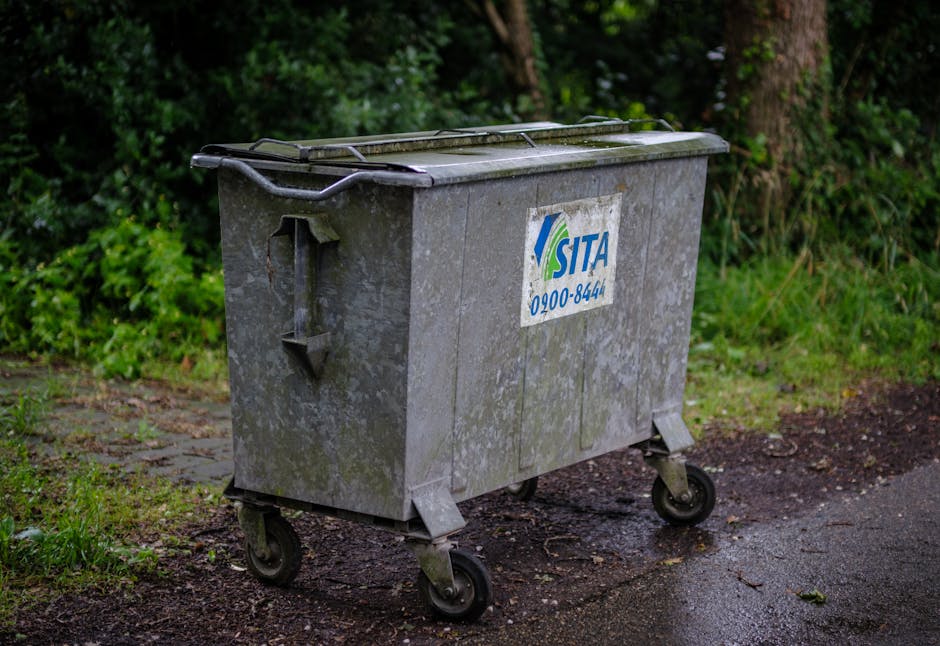
Finchley Road bulky waste guide for Swiss Cottage residents
If you live near Finchley Road in Swiss Cottage, bulky waste usually becomes a problem at the least convenient moment: a sofa that will not fit through the lift, a wardrobe left behind after a move, or builder's debris that is too awkward for a normal bin day. This Finchley Road bulky waste guide for Swiss Cottage residents is designed to help you deal with those bigger items calmly, safely, and without wasting time.
The goal is simple. You want the waste gone, the process to be straightforward, and the result to feel worth the effort. That might mean arranging a collection, sorting items for reuse, or choosing a clearance service that fits a flat, maisonette, or busy commercial property along Finchley Road. Either way, knowing the practical steps makes a surprising difference.
In this guide, you will find clear advice on how bulky waste disposal works, what to do before collection, common mistakes to avoid, and when it makes sense to use a professional team. You will also find a comparison of disposal options, a practical checklist, and answers to the questions people usually ask when they are trying to clear large items quickly.
Table of Contents
- Why bulky waste disposal matters in Swiss Cottage
- How the process works on Finchley Road
- Key benefits and practical advantages
- Who this is for and when it makes sense
- Step-by-step guidance
- Expert tips for better results
- Common mistakes to avoid
- Tools, resources and recommendations
- Law, compliance, standards and best practice
- Options, methods and comparison table
- Case study or real-world example
- Practical checklist
- Conclusion
- Frequently asked questions
Why Finchley Road bulky waste guide for Swiss Cottage residents Matters
Bulky waste is not just "more rubbish". It is waste that is too large, heavy, or awkward for ordinary household disposal routes. In a place like Swiss Cottage, where homes can range from compact flats to larger terraces and mixed-use buildings, that matters more than people often expect. Stairwells are narrow. Parking is limited. Access can be awkward. And if you leave oversized items in the wrong place, you may create a fire escape issue, an obstruction, or an avoidable complaint from neighbours or building managers.
There is also a practical side. A sofa, mattress, broken desk, old wardrobe, or pile of renovation offcuts can quickly make a room feel smaller and more stressful. If you are preparing for a move, refurbishing an office, or finally clearing a garage, bulky waste removal often becomes part of a wider reset. That is why services such as local waste removal support and specialist collections can be more efficient than trying to manage everything separately.
For Finchley Road and the surrounding Swiss Cottage area, the main issue is rarely whether the waste exists. It is how to get it out safely, legally, and with the least disruption. That is where planning earns its keep.
Practical takeaway: bulky waste is easiest to handle when you identify the item type, access constraints, and disposal route before collection day.
How Finchley Road bulky waste guide for Swiss Cottage residents Works
The basic process is straightforward, but the details matter. You identify the items, decide whether they can be reused, recycled, dismantled, or collected as waste, and then choose the most suitable method. For many residents, the best option is a planned collection with a team that can remove items from inside the property. That avoids dragging heavy objects through shared hallways or down several flights of stairs.
In a typical Swiss Cottage flat, bulky waste disposal may involve one or more of these steps:
- Listing every item that needs to go.
- Checking whether anything can be donated, repaired, or sold.
- Measuring large items and confirming access routes.
- Separating reusable items from general waste and recyclables.
- Booking a removal method that suits the volume and timing.
- Preparing the items so they can be collected quickly and safely.
If the job includes furniture, a dedicated service such as furniture clearance or furniture disposal may be more appropriate than a general one-off collection. If the waste comes from a home move or full property reset, you may find home clearance or flat clearance to be the better fit because they cover multiple item types in one visit.
For anyone dealing with repeated items from a renovation or shopfitting job, a broader service like builders waste clearance can keep the job moving without turning the site into a storage area for debris.
Key Benefits and Practical Advantages
Why not just wait for the problem to disappear? Because bulky waste almost never does. It tends to sit there, using space and adding friction to everyday life. Clearing it properly gives you more than an empty corner.
- More usable space: one large item can dominate an entire room, hallway, or storage area.
- Lower stress: once the item is scheduled for removal, the job stops hanging over you.
- Better safety: clear walkways reduce trip hazards and blocked access.
- Improved presentation: useful if you are preparing a property for sale, letting, or renovation.
- More efficient recycling: items can be separated properly rather than dumped with mixed rubbish.
- Less disruption for neighbours: a planned removal is far neater than a pile of items waiting on the pavement.
There is also a time-saving benefit that people often underestimate. A careful clearance team can handle lifting, carrying, loading, sorting, and disposal in one organised visit. That can be especially useful in buildings around Finchley Road where access is not always as simple as "just take it downstairs". To be fair, most people only realise how awkward a sofa is when it reaches the stairwell.
If your priority is responsible disposal, look for services that explain their recycling approach clearly. A page such as recycling and sustainability is a good sign that the provider is thinking about more than just fast removal.
Who This Is For and When It Makes Sense
This guide is useful for a wide range of Swiss Cottage residents and property users. It is not only for people clearing out a whole flat. In fact, bulky waste often starts with one or two awkward items, then grows into a bigger project.
Typical situations include:
- moving out of a rented flat and leaving behind oversized furniture
- replacing a bed, sofa, table, or wardrobe
- clearing a loft, garage, or storage room
- preparing a home for sale or end of tenancy checks
- tidying a garden after seasonal work or landscaping
- removing office furniture, filing cabinets, or surplus equipment
- handling renovation debris after light building work
For home owners or landlords, a house may need more comprehensive support, such as house clearance. For tenants or smaller households, compact spaces often make flat clearance more relevant because access and speed matter just as much as disposal itself.
If you are clearing a garage full of items that have accumulated over years, garage clearance can be a sensible specialist option. If the clutter has crept into the roof space, loft clearance is a better fit because lofts bring their own access and safety issues.
For offices on or near Finchley Road, bulky waste is often about desks, chairs, broken storage units, and old IT furniture. In that case, office clearance or business waste removal is usually the right route.
Step-by-Step Guidance
If you want the process to go smoothly, a little preparation goes a long way. The following steps work well for most households and small businesses in Swiss Cottage.
1. Identify what needs to go
Start with a proper room-by-room check. Separate bulky waste into categories such as furniture, appliances, mixed junk, garden debris, or renovation leftovers. This helps you choose the right service and gives a clearer idea of volume.
2. Decide what can be reused or recycled
Not everything needs to be treated as disposal waste. A sturdy chair, table, or cabinet may still have life left in it. If it is in usable condition, it may be suitable for reuse. If not, recycling may still be possible depending on the material. This is especially relevant for furniture, which is why a dedicated page like furniture clearance can be more helpful than a generic waste option.
3. Measure access carefully
Check doorways, stair turns, lifts, shared corridors, and any parking constraints. A 2.5-metre sofa can be manageable on paper and awkward in reality. If the item has to be dismantled, note that before the collection is booked. Small details here save time later.
4. Sort items into piles
Group similar materials together where possible. For example:
- wood and furniture
- metal items
- mixed household waste
- green waste or garden cuttings
- builders' rubble and offcuts
This makes loading quicker and reduces the chance of mistakes on the day.
5. Book the right service
If the task is small, a simple bulky item pickup may be enough. If the property contains multiple rooms of waste, it is often more efficient to use a broader clearance service. If you need to discuss access, timing, or unusual items, use the provider's contact page or check pricing and quotes before committing.
6. Prepare the property
Move smaller objects away from the route, protect flooring if needed, and make sure the items to be removed are clearly separated from anything you want to keep. This is a simple step, but it prevents very expensive mistakes. Nobody enjoys rediscovering a missing lamp three days later.
7. Confirm what happens next
Ask how the material will be handled, whether the team can lift from inside the property, and how payment will be arranged. If you are choosing a provider, it is wise to review practical trust pages such as insurance and safety and health and safety policy so you know what standards the business follows.
Expert Tips for Better Results
Most bulky waste jobs become easier when you think like a remover rather than a resident tidying up. The aim is to reduce lifting, reduce uncertainty, and reduce back-and-forth on the day.
- Take a few photos before booking. This helps with accurate quoting and avoids surprises if the pile is larger than it first looked.
- Flatten or dismantle where sensible. Flat-pack furniture, bed frames, and shelving often become easier to manage once broken down.
- Keep electricals separate. Fridges, freezers, monitors, and small appliances may need different handling than sofas or wood waste.
- Plan around access windows. In busy streets near Finchley Road, timing can matter as much as labour.
- Think in zones. Kitchen, living room, bedroom, storage, and outdoor areas are easier to clear one by one than all at once.
One of the most useful habits is to ask a simple question before every collection: what would slow this job down? The answer is often not the volume itself but the route, the lift, or the item that will not fit through the door without being dismantled.
If sustainability matters to you, ask about reuse and recycling before the job starts. Providers who take environmental handling seriously often explain it in their service pages and supporting information, including their about us and sustainability content.
Common Mistakes to Avoid
Bulky waste looks simple until it is not. A few common mistakes can turn a quick clearance into a frustrating morning.
- Leaving everything until the last minute. This is how people end up paying more for rushed decisions or temporary storage.
- Assuming all items count the same. A chair, a mattress, and a boiler casing do not always belong in the same disposal plan.
- Forgetting access constraints. Lifts, parking, and narrow staircases affect labour and timing.
- Mixing keep and remove piles. This is one of the easiest ways to lose something useful.
- Ignoring safety. Heavy lifting, sharp edges, and broken glass can all cause avoidable injury.
- Choosing only on price. Cheapest is not always best if the service is slow, unclear, or poorly organised.
Another mistake is assuming that every item can simply be left out. In shared buildings and on busy roads, that may create problems with obstruction, cleanliness, or building rules. A clear plan is usually safer than improvisation.
Tools, Resources and Recommendations
You do not need specialist equipment for every bulky waste job, but a few practical tools can help you prepare properly:
- measuring tape for doorways, lifts, and item dimensions
- marker labels or notes for keep/remove sorting
- sturdy gloves for minor handling tasks
- bin bags or sacks for loose smaller waste
- basic screwdriver or Allen key for dismantling furniture
- moving blankets or old sheets to protect floors and corners
For residents and businesses who want a broader service, the most relevant support pages are often the ones that match the actual space being cleared. For example, a cluttered spare room might need home clearance, while a back room full of stock, packaging, or old shelving may point toward business waste removal. A garden area with old pots, fencing, or cuttings would naturally sit closer to garden clearance.
It can also help to understand the provider's wider standards. Pages on payment and security, terms and conditions, and complaints procedure are not exciting reading, granted, but they do tell you how the business handles practical issues.
Law, Compliance, Standards, or Best Practice
For bulky waste, the main thing is to avoid treating compliance as a footnote. UK waste handling is governed by general duties around responsible disposal, traceability, and safe handling. You do not need to know every technical detail to make a sensible decision, but you should expect any reputable removal provider to work carefully and avoid fly-tipping, unsafe loading, or improper disposal.
As a resident, the best approach is to:
- use a provider that explains how waste is handled
- avoid leaving items where they obstruct shared access or public paths
- separate hazardous or unusual materials if they are identified in advance
- keep records or quotes where appropriate, especially for business or tenancy-related work
If the waste comes from a workplace, there may be additional expectations around documentation and duty of care. That is one reason why business waste removal and office clearance should be handled more formally than a one-off domestic pickup. If you are comparing suppliers, ask whether they have appropriate insurance and safety procedures in place. That is a normal, sensible question, not an awkward one.
Best practice also means being realistic about what a provider can and cannot take. Some items may require special handling. Others may be subject to additional caution because of contamination, breakage, or access issues. A good service will explain this clearly rather than promising everything and sorting it out later.
Options, Methods, or Comparison Table
There is more than one way to deal with bulky waste in Swiss Cottage. The right choice depends on time, item type, access, and how much you want to do yourself.
| Method | Best for | Pros | Trade-offs |
|---|---|---|---|
| Self-clearance | Very small loads and easy-access items | Low direct cost, full control | Time-consuming, lifting risk, transport needed |
| Municipal-style bulky collection | Simple, limited household items | Straightforward for basic jobs | May involve waiting, item limits, access restrictions |
| Specialist bulky waste removal | Mixed loads, difficult access, urgent jobs | Fast, convenient, handles lifting and loading | Higher upfront cost than doing it yourself |
| Full clearance service | Whole rooms, flats, homes, offices, garages | Best for larger or more complex projects | May be more than needed for a single item |
For many Finchley Road residents, the sweet spot is somewhere between "do everything myself" and "book a whole-property clearance". If you have one heavy item and good access, a focused pickup may be enough. If you have multiple bulky objects across several rooms, a more comprehensive service will usually save time and stress.
That is where services like house clearance, flat clearance, or furniture disposal become especially useful. They let you match the service to the real job instead of forcing the job into a narrow category.
Case Study or Real-World Example
Consider a typical Swiss Cottage scenario: a resident in a second-floor flat off Finchley Road needs to clear a bed frame, mattress, wardrobe, two office chairs, and a broken bookcase before moving out. The building has a narrow stairwell, a small lift, and limited on-street loading space.
If the resident tried to do this alone, the first challenge would be dismantling the wardrobe safely. The second would be carrying awkward pieces down the stairs without damaging walls or the banister. The third would be finding a vehicle that can legally and conveniently load nearby. Add time pressure, and the whole job becomes much heavier than the furniture itself.
A better approach would be:
- sort the items by type
- measure the largest pieces
- check whether any can be dismantled in advance
- book a clearance team that handles lifting from inside the flat
- separate anything reusable from true waste
- confirm timing and access before collection day
The practical result is usually less disruption, cleaner removal, and fewer chances of accidental damage. If the wardrobe is too large for the stairwell, the removal team can plan for dismantling on site. If the mattress and chairs are straightforward, they can be removed in the same visit. Simple, but effective.
For a nearby office or studio space, the same logic applies with desks, monitors, and storage units. In that case, a focused office clearance approach may be more efficient than treating everything as generic rubbish.
Practical Checklist
Use this checklist before arranging bulky waste collection in Swiss Cottage.
- List every item that needs to go.
- Measure the largest pieces.
- Check stairs, lifts, and door widths.
- Separate keep, donate, recycle, and dispose piles.
- Remove small loose items from the route.
- Decide whether the job is furniture, home, garage, loft, garden, office, or builders waste.
- Take photos if you need a quote.
- Confirm access arrangements and timing.
- Review pricing, safety, and payment information.
- Ask what happens to reusable or recyclable material.
If you can tick most of these off before the team arrives, the collection is likely to feel far smoother. A little prep often saves more time than people expect.
Conclusion
Bulky waste removal in Swiss Cottage does not need to be a stressful project. Once you understand the item type, the access limitations, and the best disposal route, the rest becomes a matter of good planning. That is especially true around Finchley Road, where flats, mixed-use buildings, and busy streets can turn a simple job into a logistical one if you are not ready.
The smartest approach is usually the one that fits your situation rather than forcing you into a one-size-fits-all solution. A single sofa may only need a targeted collection. A full flat or garage may call for something broader. Either way, the aim is the same: remove the waste safely, responsibly, and with minimal disruption.
If you are comparing services, pay attention to how clearly the provider explains access, recycling, insurance, and pricing. That detail tells you a lot. And if you are ready to move from planning to action, there is no better time to get the job underway.
Get a free quote today and see how much you can save.
Frequently Asked Questions
What counts as bulky waste in Swiss Cottage?
Bulky waste usually means items that are too large, heavy, or awkward for normal household bin collection. Common examples include sofas, mattresses, wardrobes, tables, old office chairs, and some garden or renovation materials.
Can I leave bulky items on the pavement outside Finchley Road?
It is better not to assume that leaving items outside is acceptable. In many cases, that can create obstruction or cause issues with building rules and local enforcement. A planned collection is safer and cleaner.
Is furniture clearance different from general waste removal?
Yes. Furniture clearance focuses on large household or office items and often includes lifting from inside the property. General waste removal may cover mixed materials, smaller loads, or broader clearances.
What is the best option for a flat with no lift?
A specialist flat clearance service is often the most practical choice because it accounts for stairs, carrying distance, and time. It is especially useful in older buildings with tight access.
How do I know whether an item can be recycled or reused?
Condition and material are the main factors. Solid wood, metal, and some intact furniture may be reusable or recyclable. Damaged, contaminated, or mixed-material items may need standard disposal or specialist handling.
Do I need to dismantle furniture before collection?
Not always, but dismantling can help if an item will not fit through doors or stairwells. If you are unsure, measure first and ask the provider what will make the collection smoother.
How far in advance should I book bulky waste removal?
That depends on how urgent the job is and how much access planning is needed. For a straightforward item, booking may be simple. For a larger clearance, allow time to prepare photos, measurements, and access details.
Is office waste handled differently from household bulky waste?
Often yes. Office items such as desks, chairs, storage units, and equipment may need a more formal service, especially if the job involves multiple pieces or business records. Office clearance or business waste removal is usually the better fit.
What should I ask before accepting a quote?
Ask what is included, how access is handled, whether lifting from inside is covered, how payment works, and what happens to recyclable material. Clear answers reduce surprises later.
Can one service handle furniture, loft items, and garage clutter together?
Yes, if the provider offers broader clearance services. In many cases, home clearance or house clearance is the most efficient way to deal with mixed items from several parts of a property.
What if my bulky waste includes construction leftovers?
Then a builders waste clearance service is usually more suitable than standard household disposal. Materials from repairs or renovations often need separate planning because they can be heavier, dustier, and more awkward to load.
How do I choose a trustworthy provider?
Look for clear service descriptions, sensible safety information, transparent pricing, and easy ways to contact the team. Pages such as about us, insurance and safety, and terms and conditions can help you judge whether the company is organised and professional.